Surat
GujaratOne of India's largest textile hubs known for sarees, dress materials, fabrics and women's fashion manufacturing.
- ✔ Sarees
- ✔ Kurtis
- ✔ Dress Materials
- ✔ Printed Fabrics

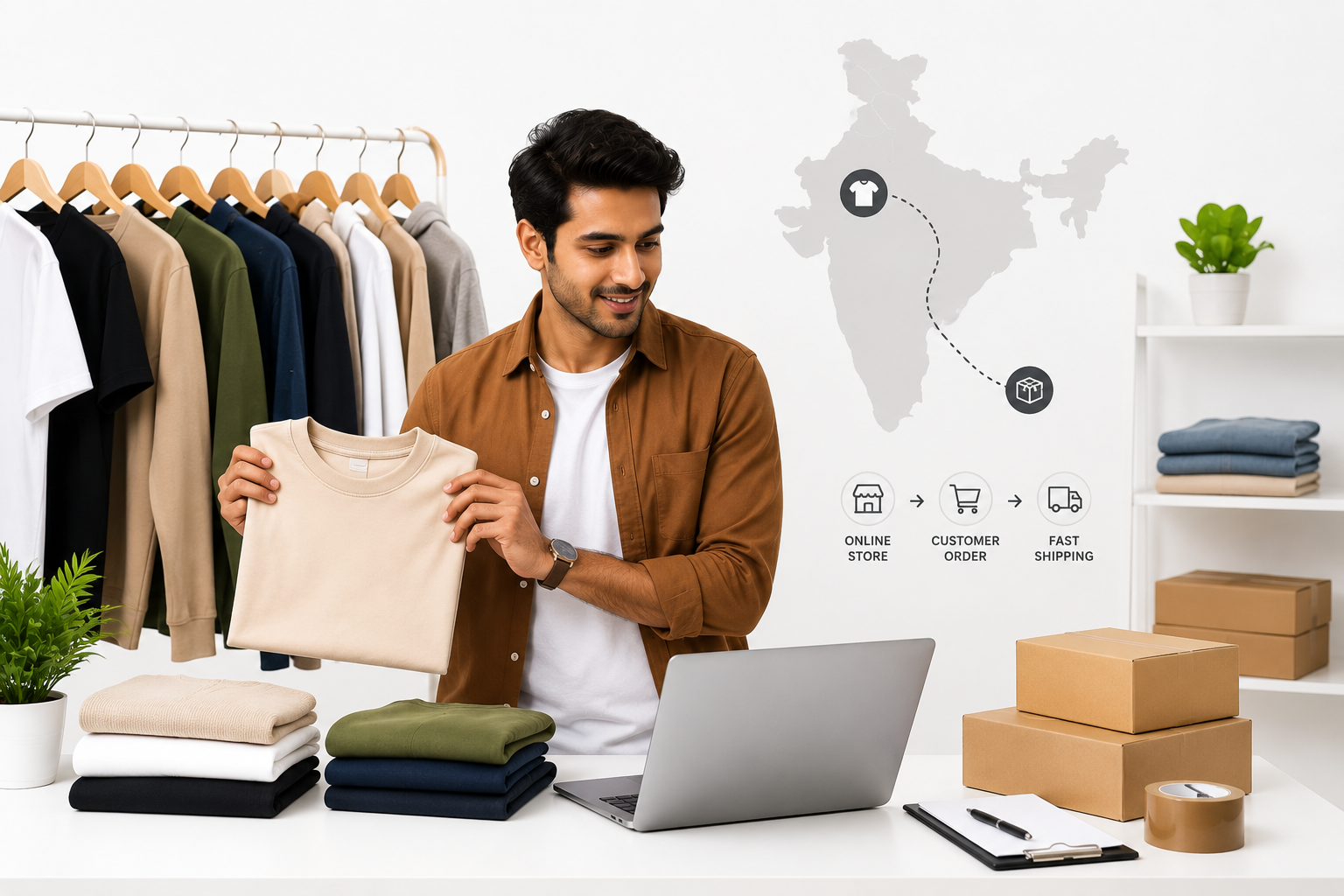
Launch your online fashion business with confidence. Discover verified clothing dropshipping suppliers across India for men's fashion, women's clothing, kids wear, ethnic wear, streetwear, accessories, footwear, and more — all without holding inventory.
Fashion Products
Fast Shipping
Indian Suppliers
Looking for a quick explanation? Here's everything you need to know about clothing dropshipping in India.
Clothing Dropshipping in India is an ecommerce business model where you sell fashion products online without purchasing inventory in advance. When a customer places an order, the supplier packs and ships the product directly to the customer. This allows entrepreneurs to launch an online clothing business with minimal investment while offering products such as men's fashion, women's apparel, kids wear, footwear, handbags, jewelry, watches and fashion accessories.
Men's, women's and kids clothing from verified Indian suppliers.
Suppliers store, pack and dispatch products directly to customers.
Indian suppliers help reduce delivery times compared with overseas sourcing.
Build your own fashion brand while keeping startup costs low.
Build a profitable fashion ecommerce business with verified Indian apparel suppliers. Sell men's clothing, women's fashion, kids' apparel and accessories without maintaining inventory.
Start your online clothing business without purchasing or storing products.
Sell premium fashion products with attractive margins across multiple categories.
Source from domestic suppliers to reduce delivery times and improve customer satisfaction.
Many suppliers support custom branding, packaging and private label opportunities.
Offer men's, women's, kids' clothing, footwear, bags and accessories from one platform.
Expand your catalogue and grow your online store without increasing warehouse costs.
India's apparel and fashion industry continues to expand rapidly, creating opportunities for entrepreneurs to launch profitable online clothing stores without maintaining inventory.
Access thousands of apparel, footwear, accessories and lifestyle products from verified suppliers.
Discover trusted clothing manufacturers, wholesalers and dropshipping suppliers across India.
Fast domestic fulfillment helps improve customer satisfaction and repeat purchases.
Fashion products often offer healthy margins, especially when sourced directly from Indian suppliers.
Discover verified suppliers across every major fashion category—from men's and women's apparel to kids' clothing, footwear, bags, and fashion accessories. Find products that match your niche and grow your online store with confidence.
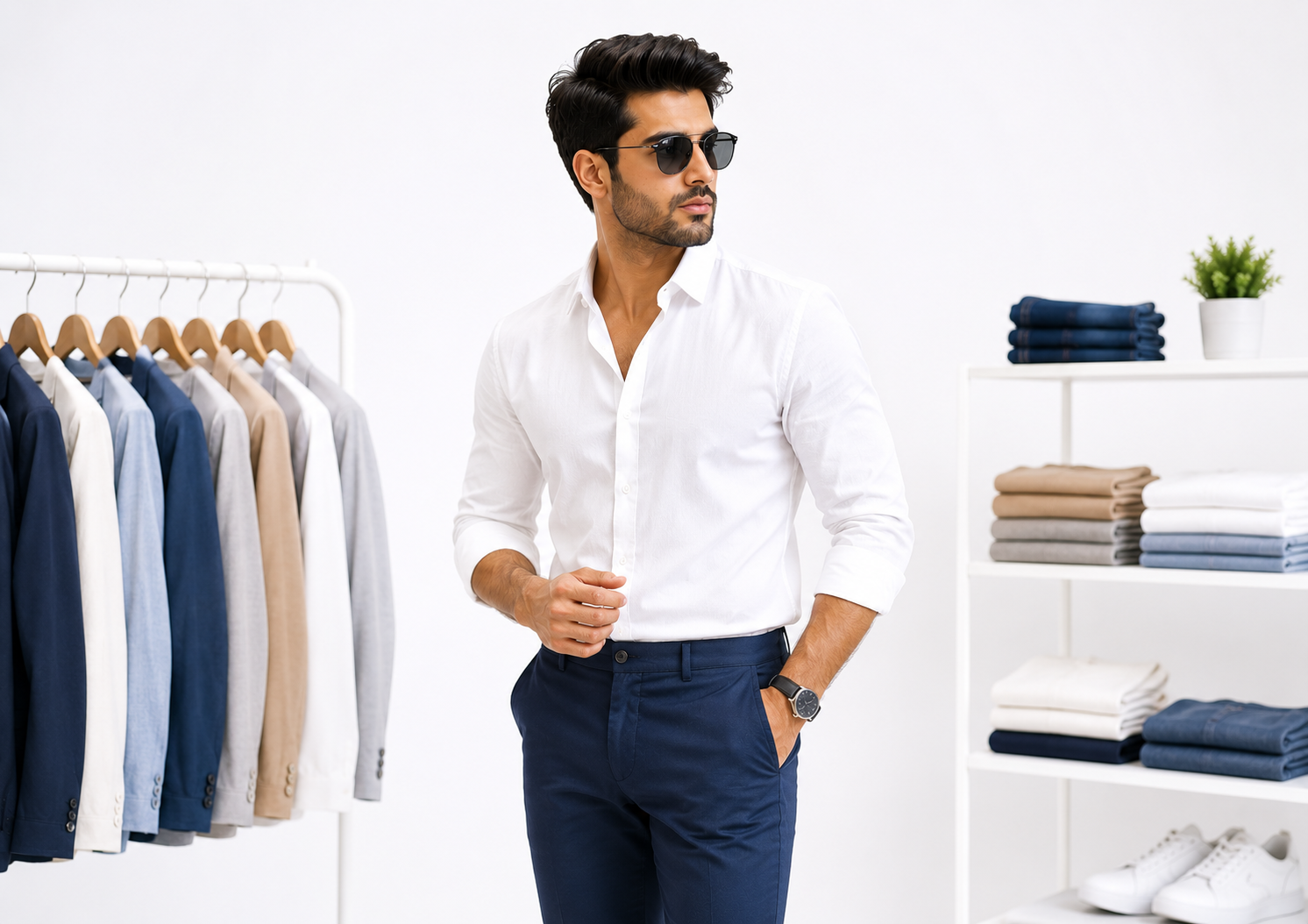
Source premium t-shirts, shirts, jeans, hoodies, jackets, ethnic wear, cargos, and activewear from verified Indian suppliers.
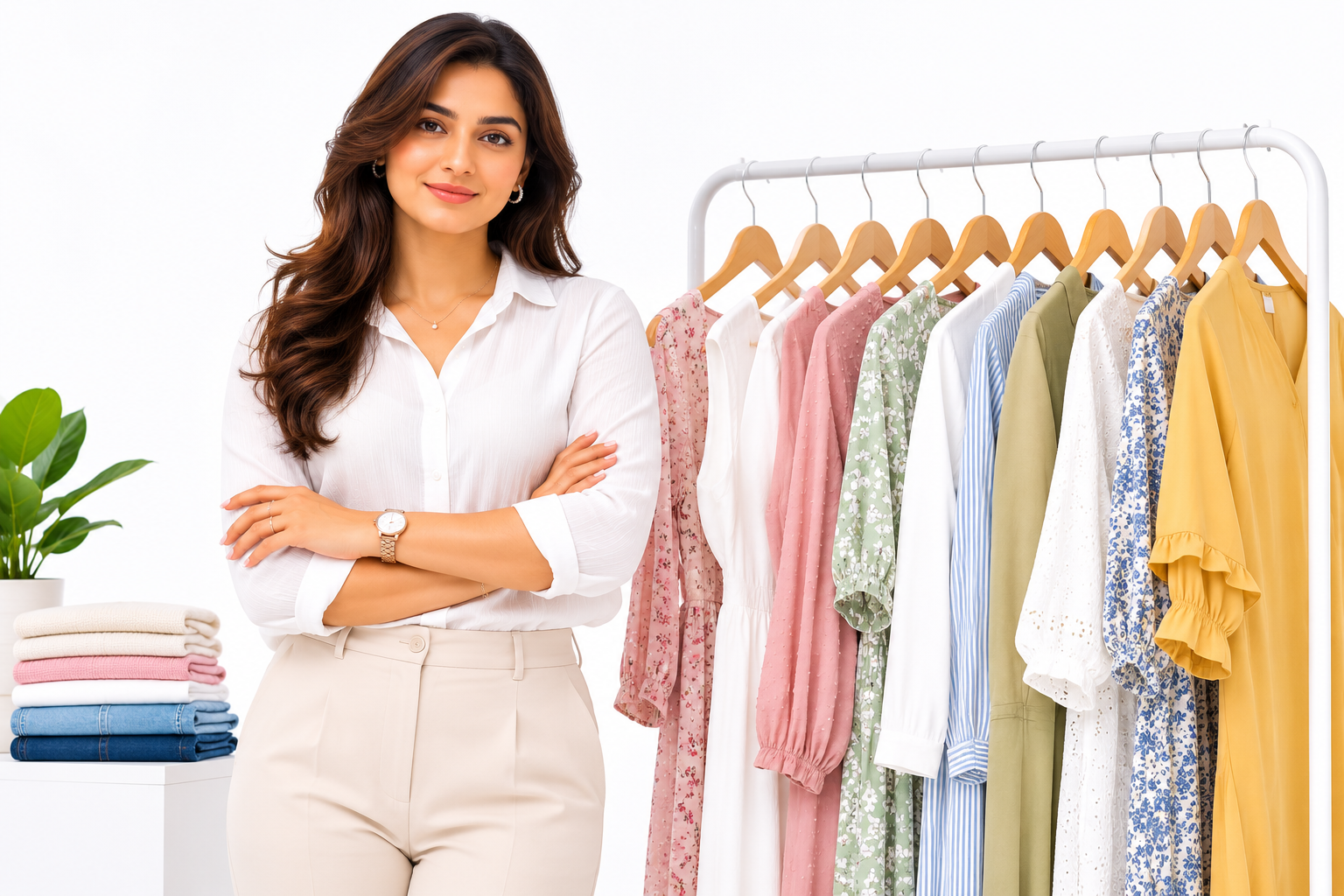
Sell sarees, kurtis, dresses, western wear, ethnic collections, co-ord sets, tops, and premium fashion apparel.
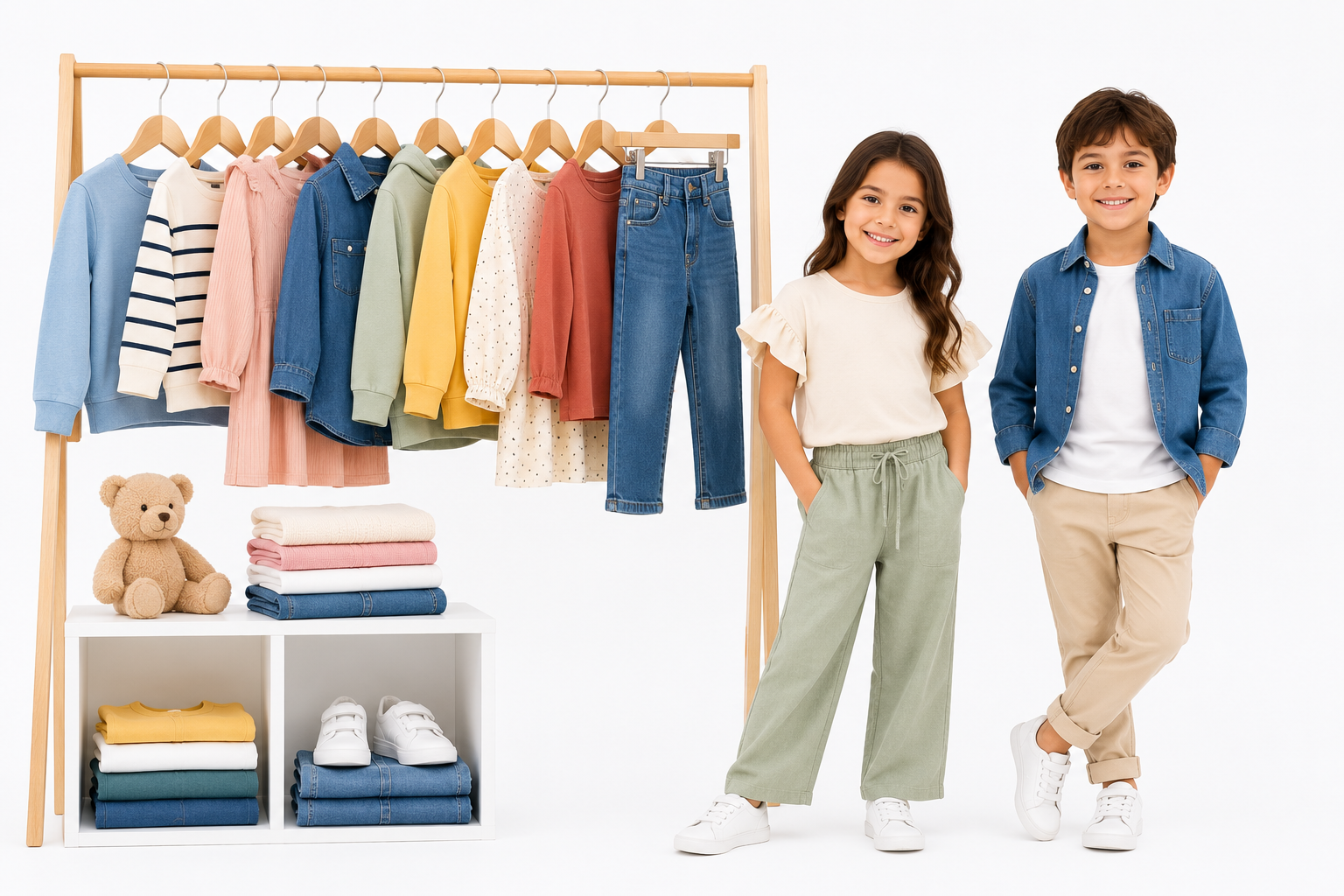
Offer baby wear, kids' fashion, school wear, party wear, winter clothing, and seasonal collections.
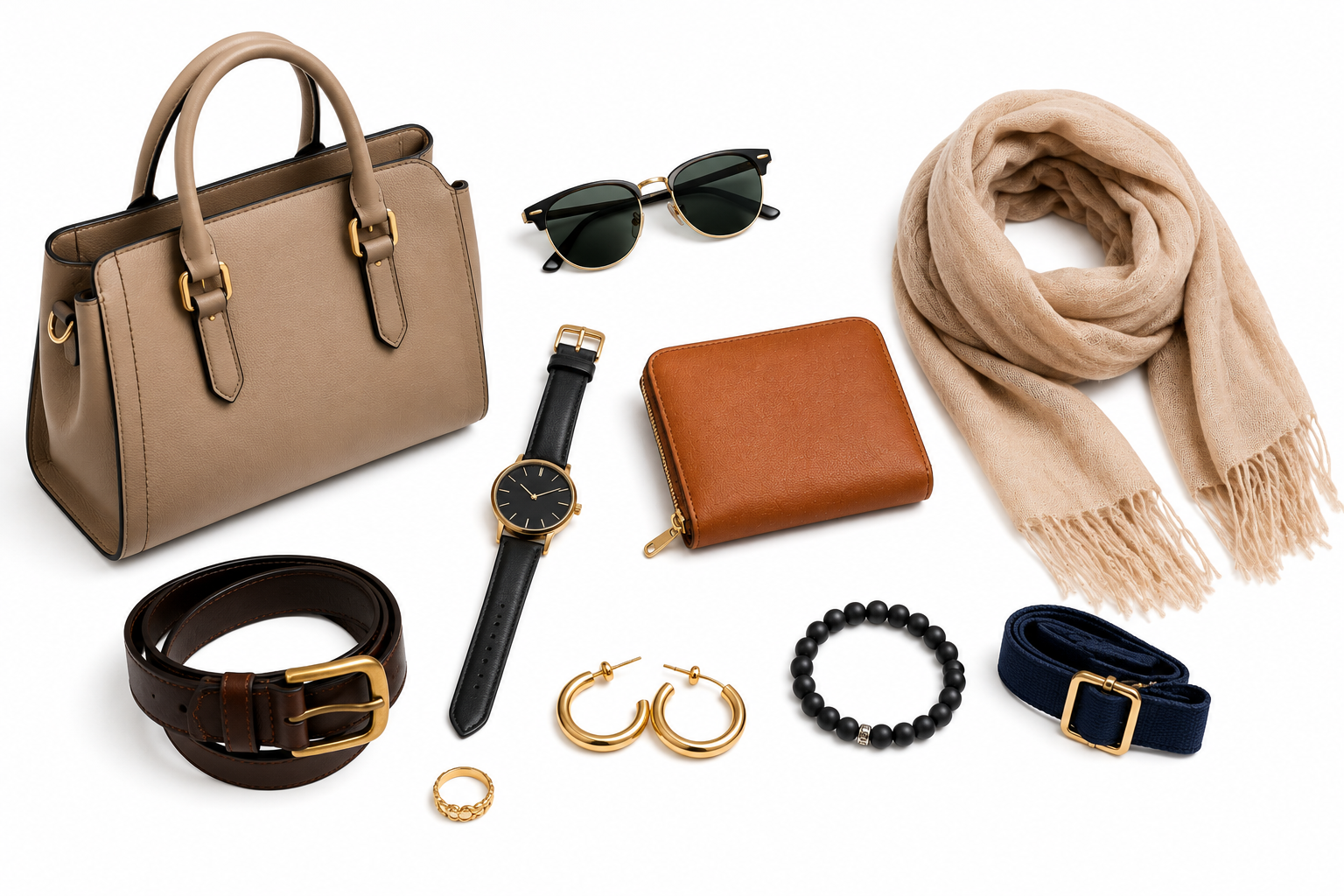
Expand your catalog with watches, sunglasses, belts, wallets, jewelry, scarves, and premium accessories.
Estimate your expected profit before listing a product. Adjust the values below to see your potential earnings.
This estimate excludes taxes and promotional expenses. Actual profit depends on your pricing strategy and operational costs.
Every supplier goes through a structured verification process before becoming part of the Solfru network. Our goal is to help businesses connect with reliable clothing, apparel, and fashion suppliers across India.
We review submitted business information and documentation to confirm that the supplier operates as a legitimate business entity.
Available tax and registration details are reviewed as part of our supplier onboarding process where applicable.
We evaluate product categories, manufacturing capabilities, catalog quality, and business specialization.
Packaging methods and fulfillment readiness are reviewed to help support a better customer experience.
Shipping coverage, estimated dispatch timelines, and logistics readiness are evaluated during onboarding.
Suppliers that complete the onboarding process can be listed on Solfru, making it easier for businesses to discover relevant sourcing partners.
Solfru helps businesses discover suppliers from India's leading apparel manufacturing and fashion sourcing regions. Explore trusted supplier hubs for clothing, footwear, textiles, bags, and fashion accessories.
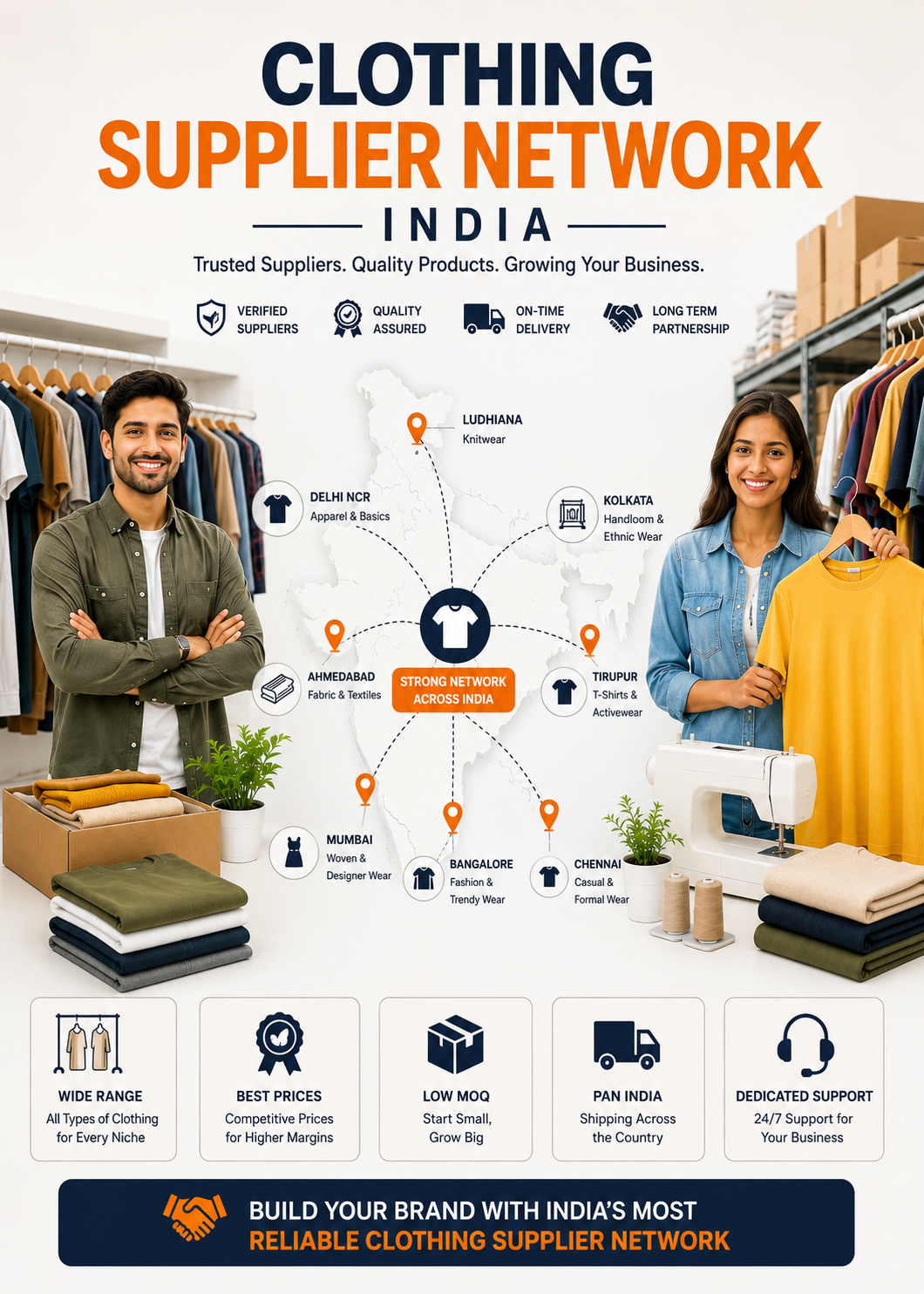
Women's wear, sarees, kurtis, dresses and textile manufacturing.
Knitted garments, t-shirts, exports and premium cotton apparel.
Winter wear, sweaters, jackets and woollen garments.
Fashion wholesalers, accessories, private label and branded apparel.
Ethnic wear, handcrafted fashion, block print and cotton apparel.
Designer fashion, lifestyle brands and premium apparel suppliers.
Discover the most profitable apparel dropshipping categories in India. Compare demand, estimated profit margins, competition and ideal customer segments before choosing your niche.
Oversized t-shirts, cargo pants, hoodies, shirts and premium casual fashion.
Dresses, kurtis, sarees, co-ord sets, western wear and ethnic collections.
Baby wear, school wear, festive wear and premium kids fashion.
Bags, wallets, sunglasses, belts, jewellery and watches.
Jackets, hoodies, sweatshirts, sweaters and thermal clothing.
Whether you're launching a Shopify store, building your own fashion brand, or expanding an ecommerce business, Solfru helps you discover trusted clothing suppliers across India while simplifying your sourcing journey.
Explore supplier profiles with business information, product categories, and sourcing details to help you make informed decisions.
Source men's wear, women's fashion, kids' apparel, footwear, bags, accessories, and seasonal collections from one platform.
Connect with suppliers that may support custom branding, packaging, and private label requirements where available.
Working with Indian suppliers can reduce delivery times compared with overseas sourcing, depending on the supplier and destination.
Whether you're a new entrepreneur or an established retailer, discover suppliers across multiple fashion categories.
Find suppliers for Shopify, WooCommerce, marketplaces, social commerce, and other ecommerce business models.
Solfru is designed to make supplier discovery easier for entrepreneurs looking to source clothing, apparel, bags, and fashion accessories from India. Compare suppliers, explore categories, and choose sourcing partners that align with your business goals.
Verified clothing suppliers on Solfru can help businesses source products for Shopify, WooCommerce, Amazon, Flipkart, Meesho and other online marketplaces.

Launch your own fashion brand with verified apparel suppliers and fast order fulfillment.

Build a powerful clothing ecommerce store with WordPress and Indian suppliers.
Source apparel products suitable for Amazon sellers looking for trusted Indian manufacturers.
Sell fashion products with domestic suppliers and quick delivery across India.
Connect with suppliers suitable for social commerce and reseller businesses.
Grow your clothing business by selling across multiple ecommerce platforms from one supplier network.
Different platforms serve different business needs. The table below highlights general characteristics to help you choose the sourcing approach that best fits your ecommerce business.
| Features | Solfru | IndiaMART | Alibaba | AliExpress |
|---|---|---|---|---|
| Discover Indian Suppliers | ✔ | ✔ | Limited | Limited |
| Fashion & Apparel Categories | ✔ | ✔ | ✔ | ✔ |
| Men, Women & Kids Clothing | ✔ | ✔ | ✔ | ✔ |
| Accessories & Footwear | ✔ | ✔ | ✔ | ✔ |
| Suitable for Ecommerce Businesses | ✔ | Depends | ✔ | ✔ |
| Supports Domestic Supplier Discovery | ✔ | ✔ | Limited | No |
From receiving a customer order to final delivery, each step is designed to help businesses understand the typical dropshipping fulfillment workflow.
Your customer purchases a product from your online store.
The order details are shared with your selected supplier for fulfillment.
The supplier prepares the package and hands it over to the logistics partner.
The shipment is delivered directly to your customer.
Every ecommerce journey is different. Below are example success story layouts that illustrate how businesses can use verified suppliers to grow online.
"Finding reliable apparel suppliers helped us expand our product range and improve customer satisfaction. We now focus more on marketing while suppliers handle fulfillment."
"Access to multiple fashion categories made it easier to expand our catalog while maintaining a consistent shopping experience for customers."
"Working with Indian suppliers simplified sourcing and allowed us to introduce new seasonal collections more efficiently."
Learn how to choose the right clothing suppliers, evaluate product quality, understand profit margins and build a successful fashion ecommerce business.
Select categories like men's clothing, women's fashion, kids apparel or fashion accessories based on market demand and profit margins.
Check GST registration, business information, product quality, shipping capability and customer reviews before partnering.
Always test product quality, packaging and delivery speed before listing products on your ecommerce store.
Include product cost, shipping, payment gateway fees and marketing expenses to determine sustainable profits.
Use private label options, premium packaging and professional product photography to stand out in the market.
Track best-selling products, optimize your catalogue and expand into new fashion categories based on customer demand.
Explore India's most important apparel manufacturing cities. Each hub specializes in different clothing categories, helping ecommerce businesses source quality products from experienced manufacturers, wholesalers and exporters.
One of India's largest textile hubs known for sarees, dress materials, fabrics and women's fashion manufacturing.
Internationally recognized for knitwear manufacturing, T-shirts, polo shirts and export-quality garments.
Famous for woollen garments, sweaters, hoodies, thermals and winter apparel manufacturing.
Renowned for ethnic wear, handcrafted garments, block prints and artisan fashion products.
Major wholesale apparel market offering diverse fashion categories and sourcing opportunities.
Export-focused garment manufacturers producing western wear and private label collections.
Known for premium apparel, sportswear, activewear and modern fashion manufacturing.
Fashion capital with strong supplier networks, boutique brands and premium clothing manufacturers.
Strong textile ecosystem producing uniforms, cotton garments and export-quality apparel.
Growing apparel sourcing destination with expanding garment manufacturing and logistics.
Start with a clothing category, explore manufacturing cities, and discover supplier profiles to compare sourcing options.
Before partnering with a clothing manufacturer, wholesaler or dropshipping supplier, evaluate them using this practical checklist. Reviewing these factors can help reduce sourcing risks and improve long-term business relationships.
Confirm the supplier operates as a registered business and shares appropriate company information.
Verify GST registration where applicable to support compliant business transactions.
Request product samples to assess fabric quality, stitching, finishing and consistency.
Understand MOQ requirements and determine whether they fit your business model.
Ask whether branding, custom labels and private label services are available.
Review estimated production and delivery timelines before placing larger orders.
Understand how damaged or incorrect products are handled and documented.
Evaluate response time, professionalism and willingness to answer sourcing questions.
Ensure the supplier can support future growth and seasonal demand.
Confirm available packaging, branding and shipping options.
Look for independent feedback and business references where available.
Start with a small order before committing to higher volumes.
Answers to common questions about clothing, apparel, fashion, accessories, and dropshipping suppliers in India.
Clothing dropshipping is a business model where you sell apparel online without stocking inventory. When a customer places an order, the supplier fulfills and ships the order directly to the customer.
It can be profitable when you select products with healthy margins, work with reliable suppliers, build a strong brand, and manage marketing and customer service effectively.
You can explore supplier directories, manufacturer networks, trade events, and sourcing platforms that connect businesses with Indian apparel suppliers.
Yes. In a dropshipping model, suppliers typically store inventory and fulfill orders, allowing you to focus on sales and customer acquisition.
Many entrepreneurs begin with a limited budget by focusing on a niche product range and gradually expanding as their business grows.
Popular categories include t-shirts, dresses, kurtis, jeans, co-ord sets, activewear, kidswear, handbags, footwear, sunglasses, and fashion accessories.
Yes. Kids' apparel is a common ecommerce category and many suppliers offer babywear, schoolwear, seasonal clothing, and accessories.
Yes. Accessories such as watches, wallets, belts, jewelry, handbags, and sunglasses are often used to increase average order value.
No. While many businesses use Shopify or WooCommerce, you can also sell through marketplaces or other ecommerce platforms depending on your business model.
Review product quality, fulfillment capabilities, communication, shipping options, return policies, and business information before making a decision.
Some suppliers offer private label or custom branding services. Availability depends on the supplier and the products you choose.
Private label products are manufactured by one company and sold under another company's brand, subject to supplier capabilities and agreements.
Shipping times vary depending on the supplier, courier, destination, and product availability.
Some suppliers support international fulfillment, while others focus on domestic shipping. Always confirm shipping regions before listing products.
Demand changes over time, but activewear, oversized apparel, ethnic fashion, sustainable clothing, and accessories have attracted significant consumer interest in recent years.
Explore detailed guides covering apparel, fashion, men's clothing, women's clothing, kids' clothing and fashion accessories to build a stronger ecommerce business.
Complete guide to starting a clothing dropshipping business with trusted Indian suppliers.
Read Complete Guide →Learn how to source quality apparel products from verified manufacturers and wholesalers.
Explore Apparel →Discover trending fashion products, seasonal collections and profitable supplier opportunities.
Explore Fashion →Find suppliers for men's t-shirts, shirts, hoodies, jeans, jackets and casual wear.
View Men's Clothing →Source dresses, kurtis, sarees, western wear, ethnic fashion and boutique collections.
View Women's Fashion →Discover baby clothing, kids wear, school uniforms and children's fashion suppliers.
Explore Kids Wear →Source handbags, wallets, jewellery, sunglasses, watches, belts and fashion accessories.
Explore Accessories →Compare suppliers, discover trending niches and build your online clothing brand with Solfru.
Find Verified Suppliers →Here's a quick summary of the most important insights from this guide.
Men's, women's, kids' clothing, footwear and accessories continue to offer strong ecommerce opportunities.
Work with trusted Indian clothing manufacturers and suppliers for reliable sourcing.
Domestic fulfillment helps improve delivery times and customer satisfaction.
Expand your online fashion business with scalable supplier partnerships and profitable niches.
If you're planning to start or grow a clothing dropshipping business in India, these practical insights can help you choose suppliers, reduce sourcing risks and build a more sustainable ecommerce business.
Evaluate suppliers based on product quality, communication, fulfilment capability and transparent business practices before placing orders.
Ordering samples allows you to assess fabric quality, stitching, sizing and packaging before selling products to customers.
Manufacturing clusters such as Surat, Tiruppur, Ludhiana and Jaipur specialize in different apparel categories and can provide a wider range of sourcing options.
Research customer demand and select clothing categories that align with your target audience and business goals.
Review pricing, shipping timelines, product catalogues and service quality before deciding on a long-term supplier.
Maintaining clear communication and consistent ordering can support more reliable sourcing over time.
Discover verified apparel suppliers, compare fashion categories, and source men's clothing, women's fashion, kids' apparel, footwear, bags, and accessories from one trusted platform. Build your ecommerce business with confidence using Solfru.